
A Beginner's Guide to Jumping Spider Breeding: How to Become an Excellent Companion for Jumping Spiders

Understanding Jumping Spiders
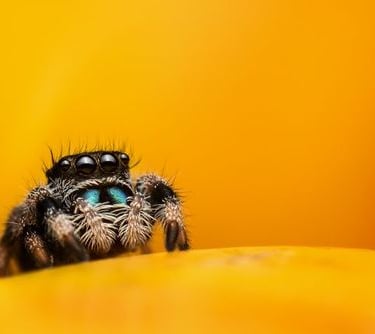
Jumping spiders belong to the family Salticidae, which encompasses over 6,000 different species worldwide. Notably characterized by their exceptional visual acuity, these spiders possess eight large, forward-facing eyes that provide remarkable depth perception, enabling them to effectively gauge distances when jumping. This impressive eyesight not only aids in hunting but also enhances their ability to navigate their surroundings, making them fascinating creatures for enthusiasts to observe.
The predatory nature of jumping spiders is quite captivating. They employ a unique hunting strategy that involves stalking their prey and leaping towards it instead of weaving webs. This behavior is crucial for their survival, as it allows them to catch a diverse range of insects, which comprise their diet. Their hunting techniques often include intricate displays of courtship or territorial behavior, further adding to their appeal as pets.
Jumping spiders inhabit a variety of environments, from forests and grasslands to urban areas and gardens. This adaptability allows them to thrive in multiple habitats, making them readily accessible for interested keepers. When it comes to keeping them as pets, it is essential to recognize the different species of jumping spiders, as some may exhibit unique behaviors or care requirements. For novices, common species like the Phidippus audax and Phidippus regius can serve as ideal entry points into the world of spider keeping.
The breeding of jumping spiders is an exciting concept for many enthusiasts. Their reproductive behaviors are fascinating and exhibit complex courtship rituals. Breeding jumping spiders can be an opportunity to observe spectacular displays of behavior while contributing to the understanding and conservation of these remarkable arachnids. With the right conditions, novice keepers can foster an environment conducive to breeding, making them not only captivating pets but also an intriguing subject of study for budding arachnologists.
Preparing the Enclosure
Creating an optimal habitat for jumping spiders is essential for their health and wellbeing. The first step in preparing an enclosure is selecting the appropriate size. A small glass aquarium or a well-ventilated container can suffice for one or two jumping spiders. A tank measuring at least 12 inches by 12 inches, with a height of at least 12 inches, ensures that the spider has ample room to move and exhibit its natural behaviors. This size allows for adequate floor space while also providing vertical space for climbing, which is crucial for this species.
Ventilation is another critical factor to consider when preparing the enclosure. Jumping spiders thrive in environments with good airflow, which helps to prevent mold and maintain humidity levels. Incorporating a mesh screen on the top of the enclosure facilitates this necessary ventilation while preventing the spider from escaping. It is advisable to regularly check for any obstructions in the ventilation system to maintain airflow.
The substrate selection plays a crucial role in mimicking the jumping spider's natural habitat. A mixture of coconut coir, peat moss, or a fine layer of soil can be used as a substrate, allowing moisture retention while promoting healthy conditions. Additionally, the enclosure should contain various hiding spots and climbing surfaces. Items like pine bark, rocks, or artificial plants can create these vital areas while also providing a visually appealing environment.
Maintaining cleanliness within the enclosure is essential for the health of jumping spiders. Regularly removing uneaten food and waste, along with periodic cleaning of the interiors with a mild soap solution, helps to prevent bacterial growth. It is important to ensure the enclosure is dried thoroughly before returning the spider to its home. By following these steps, one can successfully create a nurturing environment for jumping spiders, facilitating a thriving breeding experience.
Temperature & Humidity
Maintaining the appropriate temperature and humidity levels is vital for the health and breeding success of jumping spiders. These arachnids, known for their agility and unique behaviors, thrive in environments that mimic their natural habitats. Each species of jumping spider may have varying requirements regarding these environmental factors, which can significantly affect their activity, feeding habits, and reproductive success.
The ideal temperature range for most jumping spider species typically falls between 70°F and 80°F (21°C to 27°C). Temperatures that are too low can lead to lethargic behavior, while excessively high temperatures may cause stress, resulting in decreased appetite and even mortality. It is essential to monitor the temperature using a reliable thermometer and to make adjustments as needed, utilizing heat mats or lamps to create a suitable microclimate.
Humidity is equally important, as it directly influences the spiders' molting process and overall well-being. A humidity level of 50% to 70% is usually ideal for jumping spiders. This range can help prevent dehydration while ensuring proper molting conditions. Using a hygrometer will aid in tracking humidity levels effectively. If the humidity is too low, consider employing misting techniques to raise it, while ensuring that the substrate retains some moisture to sustain a stable environment.
To create a balanced habitat, it is crucial to regularly monitor and adjust the temperature and humidity levels according to the specific needs of the species you are nurturing. By prioritizing these factors, you will not only enhance your jumping spiders’ quality of life but also increase the likelihood of successful breeding outcomes. Adapting to their environmental needs is key to establishing a healthy and thriving population of these fascinating creatures.
Feeding for Healthy Breeders
Feeding jumping spiders is a crucial aspect of their care, particularly for individuals designated for breeding. These arachnids have specific dietary requirements that must be met to ensure their health and reproductive success. The primary components of a jumping spider's diet include live prey such as fruit flies (Drosophila spp.) and crickets (Gryllus spp.). These food sources provide not only the necessary protein but also stimulate the natural hunting behavior of jumping spiders, which is essential for their overall well-being.
It is advisable to offer a varied diet to enhance the nutritional intake of the spiders. For instance, besides fruit flies and crickets, small mealworms (Tenebrio molitor) and other soft-bodied insects can be beneficial additions. A diverse diet contributes to the vitality and energy levels of jumping spiders, making them more active and healthier. The frequency and amount of food will depend on the size and age of the spider; younger spiders may require food every other day, while adults may be fed two to three times per week.
Portion control is vital; overfeeding can lead to obesity, which can adversely affect breeding performance and overall health. It is generally recommended to provide an amount of prey equal to the spider's body size on each feeding occasion. Observing the spider’s behavior can also provide insight into its feeding requirements. Signs of malnourishment, such as lethargy, lack of interest in food, and reduced webbing, should be closely monitored. If any of these signs are present, adjustments to their diet should be made promptly.
Ensuring that jumping spiders receive appropriate nutrition is fundamental to producing healthy offspring and fostering a robust breeding environment. Understanding their dietary preferences and maintaining a consistent feeding routine will contribute significantly to successful breeding efforts.
Contact
Should you have any queries, please do not hesitate to contact us.
Phone Number
johnning467@gmail.com
+86-157-7866-2636
Company Address
Unit 201, Building 2 Yunjing Technology Park Hengli Town Dongguan City Guangdong Province China